
The pro meta doesn’t trickle down to solo queue on a schedule — it jumps ahead in specific, traceable moments, and then solo queue spends weeks catching up or never does at all. MSI 2026’s Fearless Draft finals gave us two of the clearest examples of the year: a top-lane  Swain Swain top won Zeus the Finals MVP award while solo queue still treated the pick as a bench option, and a trio of pocket picks eliminated the most decorated organization in League history from a major international event for the first time ever. Neither pick was “the new meta” the way a patch note buff is. Both were signals — and reading the difference between a pro signal and an actual meta shift is exactly the skill that separates players who climb off good information from players who copy last week’s tier list a patch too late.
What Actually Happened in the MSI 2026 Draft Room
MSI 2026 ran from June 28 to July 12 in Daejeon, South Korea, under the Fearless Draft ruleset: once a champion is picked by either team in a game, it’s locked out completely for the rest of that series. In a best-of-five, that rule alone changes everything about how a draft gets built. A team can’t lean on one comfort pick to win four games in a row — by game three, the champions that got a team to 2-0 are gone, and whoever has the deeper bench of viable picks starts winning the series instead of just the game.
That format is exactly why MSI 2026 produced the two storylines this piece is built on. Hanwha Life Esports beat Bilibili Gaming 3-2 in the grand final to become the third straight LCK champion at MSI, with Swain Swain top carrying Zeus to the Finals MVP award. And in the lower bracket, G2 Esports eliminated T1 1-3 on July 8 — the first time in T1’s history that the most decorated organization in League of Legends has finished outside the top four at a major international tournament. Both results trace back to draft decisions that had nothing to do with what solo queue’s tier lists said was strong that week.
Zeus’s Swain Was Winning Before Solo Queue Noticed
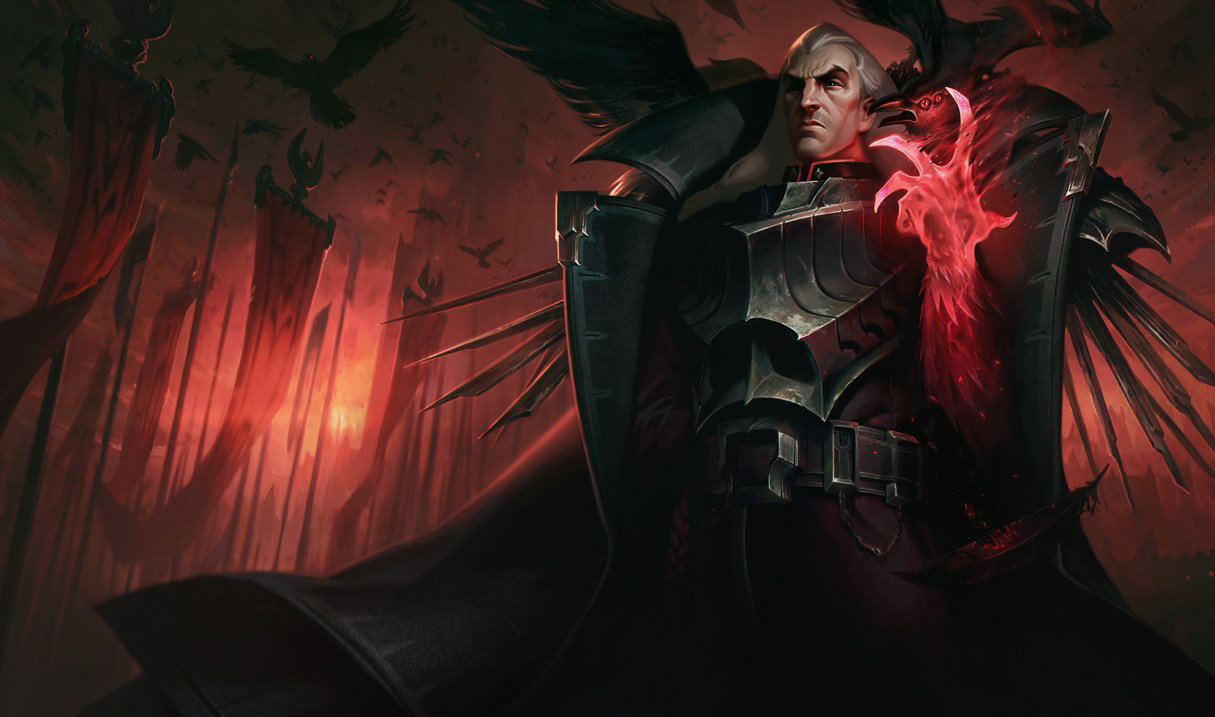
In the grand final against Bilibili Gaming, Zeus played an Swain Swain top that reporters covering the series described as effectively unkillable in extended fights, backed by  Ashe Ashe support vision control from Gumayusi that made it difficult for BLG to set up engages. It was enough to earn Zeus the Finals MVP award for a series his team won 3-2 after coming back from a lower-bracket run.
That’s a champion getting the single biggest individual-performance endorsement a tournament can hand out — Finals MVP — in a role most solo queue players weren’t building around at all that week. Check the actual Patch 26.14 numbers and the picture gets more specific: Swain overall sits at S tier with a 50.84% win rate, so the champion itself isn’t a secret. But Swain specifically in the top lane — the role Zeus played him in — is still a niche pick, hovering around a 0.9% pick rate in ranked. The champion was strong. The role assignment pros found value in wasn’t yet something solo queue was reaching for at any real volume.
That gap is the actual lesson, and it’s a narrower one than “Swain is the new meta.” A champion can be objectively strong on the aggregate stat sheet while a specific role or build path for that champion stays completely off solo queue’s radar, because tier lists rank champions by role using the volume of games already being played in that role — and if nobody’s trying it, there’s no data to rank. Pros don’t wait for that data. They test it in a Bo5 with a coaching staff, a scrim block, and film on the opponent, and by the time it works on the biggest stage in the game, solo queue is still looking at a pick-rate number that says “niche.”
BrokenBlade’s Pocket Picks Ended T1’s Historic Streak
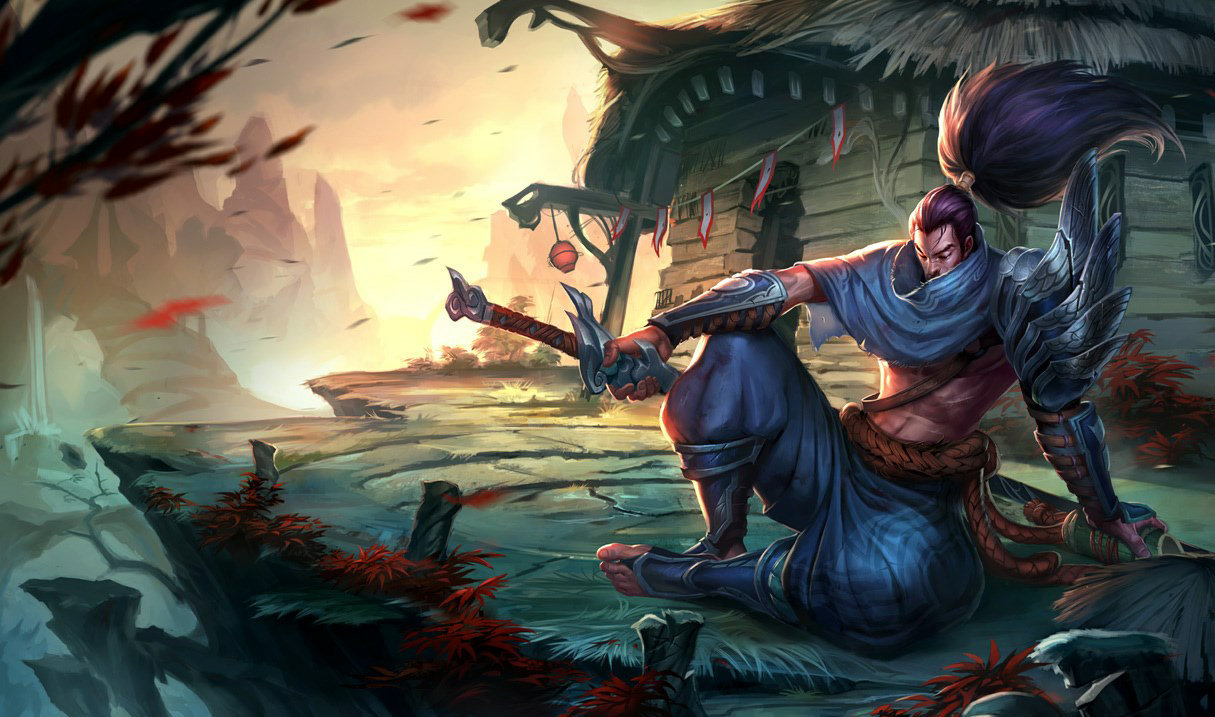
The bigger storyline out of MSI 2026 wasn’t the final — it was G2 Esports taking down T1 1-3 in the lower bracket on July 8, ending the closest thing League of Legends has to an unbeatable dynasty at international events. G2 top laner BrokenBlade did it by leaning on pocket picks most teams wouldn’t consider standard:  Yasuo Yasuo top ,
  Kled Kled top , and
  Cho'Gath Cho'Gath top , none of which show up near the top of anyone’s current top-lane tier list.
This wasn’t a one-off gamble. G2 has been running this exact playbook for over a year — SkewMond’s  Dr. Mundo Dr. Mundo jungle jungle pick surprised opponents at Worlds 2025, and the team kept experimenting with off-meta champions like
  Shen Shen top and
  Kog'Maw Kog'Maw top during First Stand. The team’s own explanation for the approach is blunt: if a Western team plays a standard draft against an LCK or LPL team on equal terms, the Asian team usually wins. So G2 doesn’t play on equal terms. It builds a deep bench of unconventional picks specifically so the opponent can’t scout and ban its way to a comfortable series.
Fearless Draft is what makes this strategy actually work instead of just being a curiosity. Because a picked champion is banned for the rest of the series, a team that can only draft a narrow set of “correct” picks runs out of answers by game three or four. A team with a wider, weirder pool — including picks that look bad on a solo queue tier list — keeps having options when the standard toolkit is gone. BrokenBlade’s pocket picks didn’t work because Yasuo, Kled, and Cho’Gath are secretly S-tier top laners. They worked because T1 had to prepare for a bracket of “normal” scenarios, and G2 handed them several games in a row that weren’t normal at all.
Why Pro Meta Doesn’t Just Copy-Paste Into Solo Queue
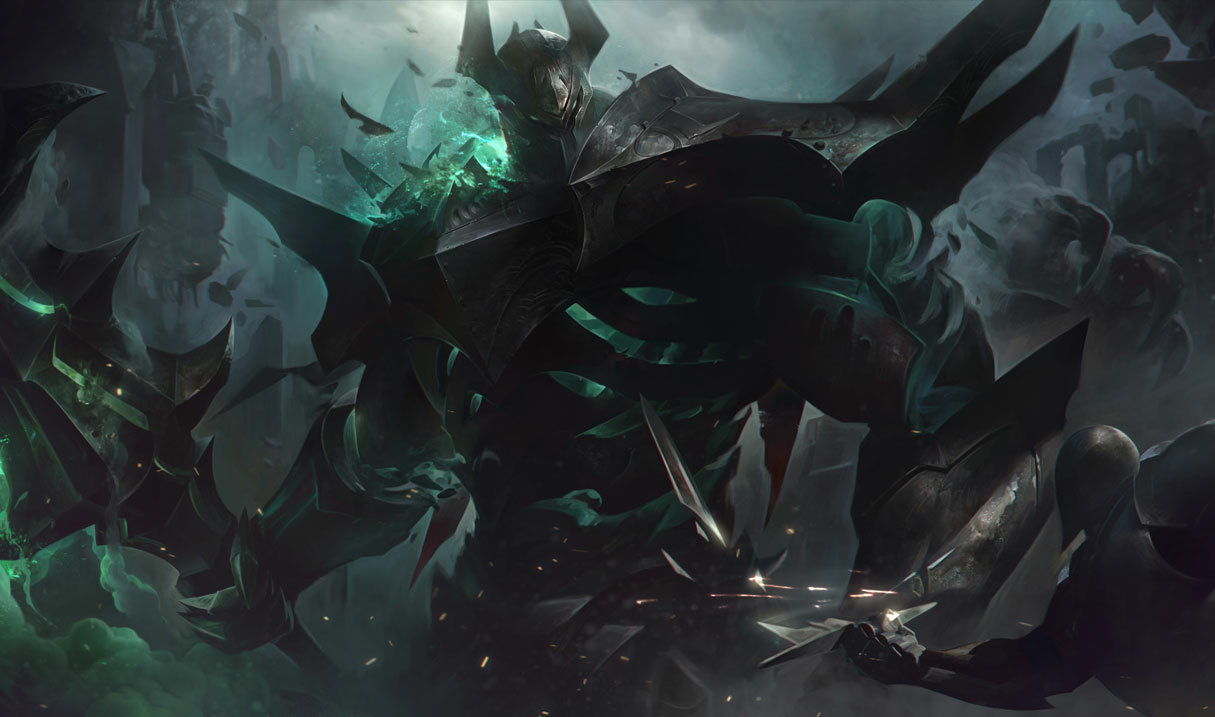
Look at what’s actually dominating Patch 26.14 solo queue right now and the disconnect from MSI’s biggest storylines becomes obvious. Top lane’s S+ tier is  Mordekaiser Mordekaiser top ,
  Garen Garen top ,
  Darius Darius top , and
  Yone Yone top — none of them BrokenBlade’s Yasuo, Kled, or Cho’Gath. Jungle is led by
  Master Yi Master Yi jungle and
  Sylas Sylas jungle , mid by Yasuo Yasuo mid and
  Malzahar Malzahar mid , ADC by
  Miss Fortune Miss Fortune adc and
  Ezreal Ezreal adc , and support by
  Seraphine Seraphine support and
  Morgana Morgana support . Solo queue’s Yasuo pick is a mid-lane S+ juggernaut; G2’s Yasuo pick was an off-role top-lane surprise built for one specific matchup. Same champion name, functionally unrelated picks.
The two metas run in parallel because they’re solving different problems. A pro team preparing for MSI knows exactly who it plays next, has scrim data against that specific roster, and gets a coaching staff dedicated to finding the one weird pick that breaks a known opponent’s habits. A solo queue player gets a random draft against nine strangers with no scouting report and no series-long ban pressure — the entire Fearless Draft logic that made BrokenBlade’s picks correct simply doesn’t exist outside a Bo5. Copying a pro pick without copying the context that made it work is how a “genius” pocket pick turns into an int in ranked.
What does transfer is the underlying signal, read correctly. When a champion suddenly wins a Finals MVP award, or eliminates the best team in the world, that’s real evidence the champion — or a specific build and role for that champion — has more room than the current tier list shows. It’s not proof the pick is meta yet. It’s a hint worth checking against actual current data before it becomes a headline on every tier list a month later.
What You Can Actually Steal From This for Your Climb
You don’t need a scrim block or a coaching staff to use any of this — you just need to treat a pro draft the way it actually is: a lead, not an instruction.
Reading pro drafts without copying blind
-
Note the pick, not the headline
When a champion gets a Finals MVP or eliminates a top seed, write down exactly which role and build it was — Zeus's Swain was top lane, not the S-tier mid build most guides assume.
-
Check the current soloq data before you play it
A pro pick that hasn't shown up in tier lists yet might just have a low sample size, not proven power. Cross-check win rate and pick rate for that specific role before locking it in ranked.
-
Keep one pocket pick ready, not a whole bench
G2's deep pool works because they have a full roster prepping it. You just need one off-meta option you've actually practiced for the games where your main gets banned or countered.
-
Separate Fearless Draft logic from soloq logic
A pick built to survive a Bo5 ban sequence doesn't need to justify itself the same way in a single soloq game — judge it on the matchup in front of you, not on tournament context that doesn't apply.
Frequently Asked Questions About Pro Meta vs Solo Queue
Does the pro meta from MSI 2026 mean Swain top or Yasuo top will become the solo queue meta?
Not automatically. Both picks worked inside specific pro contexts — a Bo5 Fearless Draft against one known opponent — that solo queue doesn't replicate. They're worth testing yourself before assuming they'll rank on the next tier list.
Why did T1 lose to G2 at MSI 2026 if T1 is historically the strongest organization?
G2 eliminated T1 1-3 in the lower bracket on July 8, 2026, using off-meta pocket picks (Yasuo, Kled, Cho'Gath top) designed to exploit Fearless Draft's ban-on-pick rule rather than beating T1 in a standard draft.
What is Fearless Draft and why does it matter for MSI 2026's storylines?
In Fearless Draft, any champion picked by either team in a game is banned for the rest of that best-of-five series. It rewards teams with deep, unconventional champion pools over teams relying on a few comfort picks — which is exactly the edge G2 and Zeus's Swain both used.
Who won MSI 2026?
Hanwha Life Esports beat Bilibili Gaming 3-2 in the grand final on July 12, 2026, in Daejeon, South Korea, with Zeus earning the Finals MVP award.
How can a solo queue player actually use pro draft trends?
Treat a standout pro pick as a lead to test, not a verdict — check its current win rate and pick rate for the exact role it was played in, and keep one practiced pocket pick ready instead of trying to copy an entire pro champion pool.
Pro drafts move faster than any tier list because they’re built for a different problem — one opponent, one series, one deep bench of prepared answers. Solo queue’s meta updates on a slower, noisier signal: aggregate win rates across millions of random games. That gap is exactly why a static list is often already behind by the time it’s published, and it’s part of why tools like buildzcrank read your actual live game state instead of asking you to guess whether last week’s headline pick has caught up yet. If you want to see where solo queue’s numbers stand today, check the latest patch tier list, and if MSI’s draft chaos has you curious about why the guides you’re reading might already be stale, why static build guides fail covers the mechanism in full.