
Riot didn’t call Patch 26.14’s item changes a nerf to the sustain meta. They called them a fix for items that were “overperforming across the board.” That phrasing matters more than the numbers attached to it: it’s not the language of a team reacting to a shifting meta, it’s the language of a team admitting it shipped something too strong and got caught by its own win-rate data. Immortal Path and Protoplasm Harness didn’t get nerfed because players found a clever new build path — they got nerfed because Riot’s own metrics on live servers showed they were printing free win rate on champions who had no business getting shielded, healed, and topped off for buying one item.
The two nerfs land differently — one trims a scaling threshold, the other targets an early spike — but together they tell a single story about how sustain itemization got out ahead of what Riot actually wanted the item slot to do.
What Patch 26.14 Actually Changed

Two items in the sustain category took direct hits in the official Patch 26.14 notes, and both nerfs are narrow by design — Riot wasn’t trying to kill either item, it was trying to cut off the specific number that was overperforming.
Immortal Path lost value on both sides of its health-threshold passive: the damage bonus while above 50% HP dropped from 5% to 4%, and — the bigger cut — the healing, shielding, and regeneration bonus while below 50% HP fell from 15% to 12%. That second number is the one that mattered. It’s the part of the item that was keeping low-health champions topped off far longer than a single completed item should.
Protoplasm Harness, the dual-resistance Lifeline item built by tanks who stack armor and magic resist together, got hit differently: its cost rose from 2,500 to 2,600 gold, and the low end of its bonus health and healing scaling fell from 200 to 100. Riot’s own reasoning, per the patch notes, was that the item was “leading to particularly potent spikes on champions that buy it early” — so instead of gutting the item’s late-game ceiling, they raised the entry cost and flattened the reward for rushing it as a first back.
Neither change touches the item’s core identity. Immortal Path still scales with health thresholds, Protoplasm Harness is still the best dual-resist option in the game. What both nerfs remove is the part of the numbers that was clearly miscalibrated — which is a different kind of change than a meta-driven rebalance.
The Patch Notes Language That Gives It Away
Read enough patch notes and you learn to separate two kinds of nerf justification. One is meta language: “as the game speeds up, we want to reduce the value of X” — a statement about the game state changing around an item. The other is tuning language: “this item is overperforming” — a statement about the item’s numbers being wrong from the start, independent of what else is happening on the Rift.
Patch 26.14’s notes use the second kind for both items. Protoplasm Harness is described as “overperforming across the board,” a phrase that doesn’t reference any external shift — no new counter-item, no champion rework that made it stronger, no build path that unlocked it on new champions. It’s a flat statement that the item’s baseline numbers were too high. The notes go further, calling out that it was “leading to particularly potent spikes on champions that buy it early,” which is specific enough to sound like it came directly from win-rate-by-purchase-timing data rather than general sentiment.
Immortal Path’s justification follows the same pattern, even if the wording is less quotable: a threshold-based passive losing value on both the damage side and the sustain side at once is what you nerf when the whole passive is doing too much, not when one specific use case got out of hand. If Riot believed only the mid-lane assassin build was the problem, they would have targeted that build path specifically — item restrictions, class-based scaling, anything narrower. Cutting both halves of the passive uniformly is the tuning equivalent of admitting the base numbers were wrong for everyone who could buy it.
Immortal Path’s Win Rates Explain the Panic
Pre-nerf win rate data from public item-tracking aggregators shows exactly why this item drew attention.  Kayle Kayle top posted a 71.14% win rate on games where she built Immortal Path — an outlier number even accounting for a low sample size on a niche build.
  Vi Vi jungle sat at 63.64%,
  Mordekaiser Mordekaiser top at 59.97%, and
  Fiora Fiora top at 59.89% — four champions with almost nothing in common mechanically except that the item’s threshold passive rewarded their playstyle disproportionately.

10.34% pick rate
The volume signal is arguably more telling than any single win rate. Lillia was the most popular Immortal Path carrier by a wide margin, with a 10.34% pick rate among all Immortal Path builds and a 55.77% win rate at that volume — a healthy win rate on real sample size, not a fluke. Mage champions as a class made up 29% of all Immortal Path purchases, well above what you’d expect if the item were evenly distributed across the roster. When one class dominates an item’s usage that heavily and its win rates cluster above 55%, that’s not thirty different players discovering thirty different clever tech choices. That’s an item passive doing something structurally favorable for a specific archetype, and Riot’s own data would have shown that pattern well before the patch shipped.
Protoplasm Harness Was Rewarding the Wrong Moment
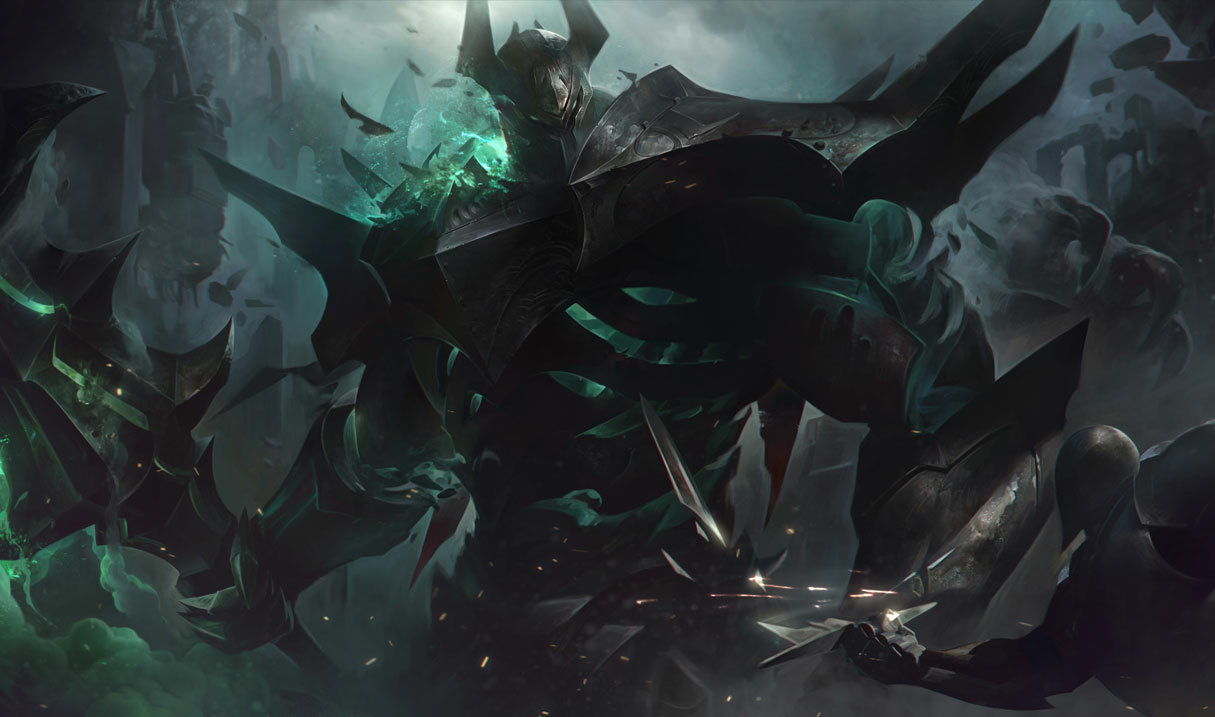
Protoplasm Harness sits in the Lifeline group of items — the family that grants a defensive shield when a champion drops below a health threshold — and it’s built specifically for tanks who want to stack armor and magic resistance in the same slot instead of committing fully to one resistance type. Even after the 26.14 changes, it held a 56.2% win rate, still one of the strongest health items in the game by that measure.
That’s exactly why the nerf targeted timing instead of ceiling. Riot didn’t reduce the item’s late-game stats — a fully-stacked Protoplasm Harness on a scaled tank is still meant to be strong. What they cut was the reward for buying it as a first item: the low end of the bonus health and healing scaling fell from 200 to 100, which specifically punishes rushing it before a champion has built up enough gold to hit the item’s higher scaling brackets. Add the 100-gold cost increase and the item now asks for a slightly larger investment before it starts paying off, which is a direct answer to “this spikes too hard, too early” rather than “this item is too strong overall.”
It’s a more surgical nerf than Immortal Path’s, but the underlying admission is the same: the item was doing its job better than intended at a specific point in the game, and the fix targets that specific point instead of the item’s identity.
Why This Reads as an Admission, Not a Meta Shift
There’s a common instinct to read every nerf as evidence the meta “moved” — as if sustain itemization got strong because something else in the game shifted around it and Riot is just rebalancing the scale. Patch 26.14 doesn’t support that reading. Nothing in the surrounding patch notes points to a structural cause: no new sustain-enabling rune, no defensive item rework upstream that fed power into these two items, no champion class getting buffed en masse into sustain-heavy builds. Both nerfs are isolated to the items themselves, with reasoning language (“overperforming across the board,” “particularly potent spikes”) that describes the item’s own numbers, not the environment around them.
That distinction matters for how players should read balance patches going forward. A meta-shift nerf tells you something about which item to pivot toward next — if X got nerfed because Y got stronger, Y is worth building. An overtuning-admission nerf tells you something different: it tells you Riot’s internal targets for what a single item slot should provide were exceeded, and the correction is a return to baseline, not a redirect toward a new best-in-slot option. There isn’t an obvious “next Immortal Path” waiting in the wings here, because the problem wasn’t the item category losing to a rival — it was one item doing more than the category is supposed to do.
The most honest way to describe Patch 26.14’s sustain changes is that Riot got caught by its own win-rate dashboard, not by clever players or a shifting meta. Kayle at 71% and a tank item still sitting above 56% win rate after a nerf are numbers that show up on an internal balance review regardless of what the rest of the patch looks like.
What It Means for Your Builds on Patch 26.15
Neither item is dead weight on the current patch. Immortal Path still carries real value for champions with the health-threshold synergy in their kit — it’s just no longer a free 55%+ win rate button on anyone who buys it. Protoplasm Harness is still one of the best dual-resistance options for tanks who don’t want to fully commit to armor or magic resist; it just rewards patience over a first-item rush now. The correct read isn’t “avoid these items,” it’s “buy them for what they’re supposed to do, not for the loophole that got closed.”
This is also a useful case study in why static item tier lists age badly within a single patch cycle — the same item can go from a 70%+ outlier to a fair, buildable option after one number change, and a guide written the week before 26.14 shipped would have been actively wrong about both items within days. Tools like buildzcrank read the live patch data and adjust build recommendations in real time instead of waiting for the next tier list refresh, which matters most exactly in weeks like this one.
For the fuller pattern behind Season 26’s item-driven meta shifts, how itemization changes reshaped the Season 26 meta traces the six-month trail from the 26.1 crit reset through this kind of mid-season correction. If you want to sanity-check win-rate claims like the ones cited here before trusting them, why LoL item win rate stats can lie covers the sample-size traps that make a 71% number look scarier than it is. For a broader view of what’s strong on the current patch, the Patch 26.13 tier list and the itemization decision guide cover the situational calls these two nerfs feed into.
The takeaway isn’t that Riot got it wrong once. It’s that “overperforming across the board” is a phrase worth reading literally every time it shows up in a patch note — it’s Riot telling you, in plain language, that the fix is a correction, not a meta reaction.
FAQ
What exactly changed on Immortal Path in Patch 26.14?
Its damage bonus above 50% HP fell from 5% to 4%, and its healing, shielding, and regeneration bonus below 50% HP fell from 15% to 12%. Both halves of the threshold passive were cut, not just one.
Is Protoplasm Harness still worth building on tanks?
Yes — it held a 56.2% win rate even after the nerf. The change targets its early one-item power spike (cost up from 2,500 to 2,600 gold, low-end bonus HP/healing down from 200 to 100), not its late-game value for dual-resistance tanks.
Why did Kayle have such a high win rate with Immortal Path?
Public item-tracking aggregators showed a 71.14% win rate on the build pre-nerf, driven by how the threshold-based sustain and damage bonus lined up with her scaling kit. It's a small-sample outlier, but combined with Lillia's high-volume 55.77% win rate at a 10.34% pick rate, it was enough of a pattern to justify a direct nerf.
Does this nerf mean sustain items are bad on Patch 26.15?
No. Patch 26.15 didn't touch either item further — the buffs that patch focused on different items (Bastionbreaker, Yun Tal Wildarrows, Terminus). Immortal Path and Protoplasm Harness remain viable, just closer to their intended power level.
How can I tell if a nerf is a meta reaction or a tuning fix?
Check the patch notes' own language. Phrases like 'overperforming' or describing a specific power spike point to a tuning fix — a return to baseline. References to another item, rune, or champion class getting stronger point to a genuine meta reaction where a follow-up shift is likely.