
Hanwha Life Esports has been mathematically qualified for Worlds 2026 since August 15 — two full weeks before the LCK 2026 Season Playoffs even started. That should make the bracket that kicks off today, August 29, close to a formality for the reigning MSI champion. It isn’t, and not for a competitive reason. Buried in the LCK’s Worlds seeding rules is a quirk that only applies to a team in HLE’s exact position: if HLE finishes the playoffs inside the top three on pure competitive merit, the personal Worlds guarantee they already banked by winning MSI doesn’t stack on top of that merit slot. It gets handed down to whichever LCK team just missed the playoff cut instead. Framed one way, that reads like winning too much comes with a catch. Framed accurately, it’s a seeding system refusing to let one team occupy two tickets meant for a region — and the difference matters for anyone trying to understand how these rules actually work.
HLE Doesn’t Need to Win the Bracket
The LCK 2026 Season Playoffs run August 29 through September 13 as a double-elimination bracket played entirely in best-of-five series, with the top four finishers advancing to the Worlds 2026 Main Event. HLE closed the regular season in second place, behind Gen.G and ahead of T1, which earned them a bye straight into Round 2 — they don’t even play their first playoff series until the bracket’s second round. KT Rolster opens the tournament in Round 1 the very next day.
That seeding matters more than it looks. A team with a Round 2 bye, sitting second in the standings behind the only squad that beat them, is about as heavily favored to finish inside the top three as any team can be without the tournament already being over. HLE isn’t sweating a first-round exit. If anything, the more interesting question isn’t whether HLE reaches the top three — it’s what happens to their own Worlds slot when they inevitably do.
The Guarantee HLE Already Cashed In
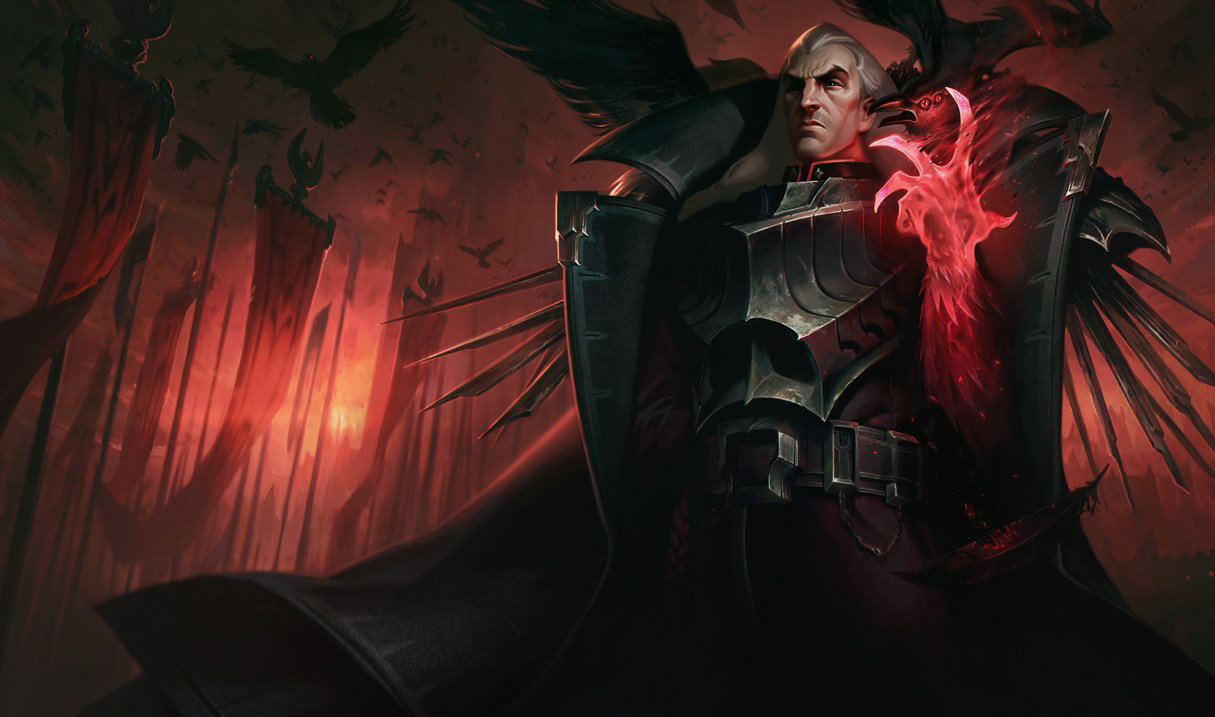
HLE won MSI 2026 in Daejeon on July 12, beating Bilibili Gaming 3-2 in the grand final, with Zeus taking home Finals MVP off the back of his Swain performances. That trophy came bundled with more than prize money and a regional bonus seed for the LPL — it also came with a personal insurance policy for HLE. Per the official Worlds 2026 qualification rules, an MSI-winning team is guaranteed a Worlds slot as long as they clear a very low bar in their home league afterward: don’t finish last in the regular-season group.
HLE cleared that bar with room to spare, finishing second overall behind only Gen.G. According to sheepesports’ coverage of the qualification, that made HLE the first LCK team confirmed for Worlds 2026, locked in on August 15 — a full two weeks before a single playoff series had been played.
The Slot-Transfer Mechanic, Explained
Winning MSI did double duty for the LCK. It gave the region a fourth direct Worlds 2026 seed on top of the standard three — the same reward the LPL earned for Bilibili Gaming’s runner-up finish, covered in more detail in our breakdown of the LPL’s extra slot. That fourth regional seed also skips the Worlds 2026 Play-in Stage entirely and drops straight into the Swiss Stage, a real competitive advantage for whichever LCK team ends up using it.
Here’s the part that’s specific to HLE and easy to miss: that fourth regional seed and HLE’s own personal MSI-winner guarantee are not the same allocation stacked twice. The LCK doesn’t get five Worlds slots just because HLE won MSI and might also finish top 4 on merit. If HLE finishes in the playoffs’ top three through the normal bracket — which their seeding makes likely — their MSI-based personal guarantee has nothing left to protect, since a merit slot already covers them. So instead of evaporating uselessly, that guarantee transfers down the standings to the next-best LCK team that didn’t make the playoff top four, handing them a Worlds 2026 berth they wouldn’t otherwise have had.
Why This Isn’t Really a Punishment
In our opinion, “penalized for winning too much” is the framing that gets clicks, and it’s also the wrong one. HLE loses nothing that was ever theirs to keep. Their MSI guarantee existed purely as insurance against a collapse in the LCK regular season — a hedge against the version of 2026 where the reigning MSI champion somehow finished dead last domestically. HLE didn’t come close to needing that hedge. They finished second. The insurance policy paying out to someone else because you didn’t total the car is not a punishment; it’s the policy working as designed.
What actually happens under this rule is a fifth LCK organization — likely the team sitting just outside the playoff top four — gets a Worlds 2026 berth that didn’t exist for them yesterday. That’s the real story: not HLE losing equity, but a team lower in the standings receiving a windfall specifically because the region’s best team was too good to need its own safety net. The rule’s entire purpose is preventing one team from consuming two allocations that were always meant to represent two different outcomes — a merit finish and an insurance clause — for the same region.
Two Kinds of Pressure: HLE vs. T1’s Rebuild
It’s worth putting this next to the other LCK roster story we’ve covered this year. HLE built its 2026 core by pulling Zeus and Gumayusi out of T1’s championship-era roster, betting talent over continuity while T1 went the opposite direction — keeping Faker, Oner, and Keria, and handing the vacated ADC spot to rookie Peyz. That earlier piece was about roster construction. This one is about what each bet’s downside actually looks like heading into playoffs.
T1 is playing this bracket with no safety net. If Peyz’s first playoff run goes badly or the reshuffled roster underperforms, there’s no insurance policy sitting in reserve — a bad bracket is just a bad season. HLE’s situation is close to the opposite: their only “risk” in this entire bracket is a seeding technicality that costs the org zero competitive standing and, worst case, hands a bonus ticket to a rival. One team is playing to avoid a real consequence. The other is playing out a formality that’s being reported as a plot twist.
What It Reveals About How Riot Designs Seeding

Put this next to the LPL’s bonus fourth seed from BLG’s MSI runner-up finish and a consistent design philosophy emerges. Neither rule was built to reward a specific team indefinitely. Both attach the reward to a region for one cycle, based on a result at one specific tournament, and both include a mechanism — explicit or implicit — for making sure the reward doesn’t get wasted or double-counted once circumstances change. The LPL’s bonus seed exists because BLG performed at MSI, not because BLG personally gets to keep using it forever. HLE’s guarantee exists because HLE won MSI, not because HLE gets to bank two Worlds slots for themselves.
That’s a genuinely different design instinct than a simpler “winner keeps the trophy and everything attached to it” model would produce. It treats international results as something a region earns collectively, with individual teams acting as the vehicle for that result in a given moment — which is also why a slot transfer to an unrelated fifth-place team reads as consistent with the system’s logic rather than a bizarre edge case nobody anticipated.
What Soloq Players Should Steal From This

The soloq parallel here isn’t about roster construction — it’s about safety nets that quietly stop mattering. Ranked players do the same thing HLE’s MSI guarantee does: they hold onto a fallback (a memorized cheese strategy, an “always ban this into me” pick, a build order picked purely to avoid one bad matchup) long after their actual skill level has already made that fallback irrelevant. The insurance policy keeps taking up mental space even after the risk it covered has stopped being a real threat.
Recognizing when your own 'safety net' is already redundant
-
Ask what the fallback was actually protecting against
HLE's MSI guarantee protected against finishing last domestically. If your backup pick or build exists to cover a scenario you haven't actually hit in your last 20-30 games, it's protecting against a risk that's already gone.
-
Check whether you'd clear the bar anyway
HLE didn't need their insurance because they finished 2nd, comfortably above the bar it covered. If your main strategy already handles the situation your fallback was built for, the fallback isn't adding safety — it's just taking a roster or mental slot.
-
Reallocate the effort, don't just delete the plan
The rule doesn't erase HLE's guarantee, it hands it to a team that can still use it. Retire a redundant fallback and put that practice time into the matchup or mechanic that's actually still costing you games.
That’s also the practical argument for playing off live information instead of a fixed script in the first place. Sticking rigidly to one safety-net strategy is a mindset problem as much as a mechanical one, and a memorized build path can’t account for how one specific game is actually unfolding. Tools like buildzcrank read your live match state and adjust item and rune recommendations in real time, which matters most in exactly the moment a fixed backup plan stops being relevant — when the game has already moved past the risk it was built to cover.
Frequently Asked Questions About HLE’s Worlds 2026 Slot
Is Hanwha Life Esports already qualified for Worlds 2026?
Yes. HLE's MSI 2026 win guaranteed them a Worlds 2026 slot as long as they avoided finishing last in the LCK regular season. They finished 2nd, and were confirmed for Worlds on August 15, 2026.
What happens to HLE's MSI-based Worlds slot if they also make the playoff top 3?
It transfers to the next-best LCK team that didn't make the playoff top four, rather than giving HLE a second Worlds allocation on top of their merit slot.
Does this rule actually hurt HLE's chances of playing at Worlds 2026?
No. HLE keeps a Worlds 2026 spot either way — either through their MSI guarantee or through a merit finish in the playoff top four. The rule only decides which specific allocation gets used, and by whom.
How many Worlds 2026 slots does the LCK have?
Four: the standard three, plus a bonus fourth seed earned when HLE won MSI 2026. The LPL also has four seeds, earned when Bilibili Gaming finished MSI runner-up.
When do the LCK 2026 Season Playoffs take place?
August 29 to September 13, 2026, as a double-elimination bracket played in best-of-five series, with the top four teams advancing to the Worlds 2026 Main Event.
HLE’s MSI-based Worlds guarantee was never a second ticket waiting to be stacked on top of a playoff run — it was insurance against a collapse that never happened, and the rule sending it elsewhere is the system working exactly as intended rather than punishing anyone for winning too much. If the mechanics of competitive seeding interest you as much as the games themselves, our breakdown of the LPL’s own bonus Worlds slot covers the other half of this year’s rule in more depth.