
Patch 26.17 shaved five percentage points off a single passive stat on two champions, and League of Legends acted like Riot had lit the game on fire. The Yasuo buff — paired with an identical tweak to Yone — became the headline of the patch in press coverage and community threads alike, framed as “polarising” and “controversial” before a single ranked game had been played on the live client. In that same patch, Thresh lost real damage off an ability he’d been quietly overperforming with for months, Xerath ate a nerf tied to one of the highest ban rates in the game, and Nasus got hit for the second patch in a row. Those nerfs, backed by Riot’s own admission that the champions had been a genuine problem, generated a fraction of the reaction. The gap between the size of a change and the size of the outrage it causes isn’t about data — it’s about which champion you’re afraid of facing.
What Patch 26.17 Actually Changed for Yasuo and Yone
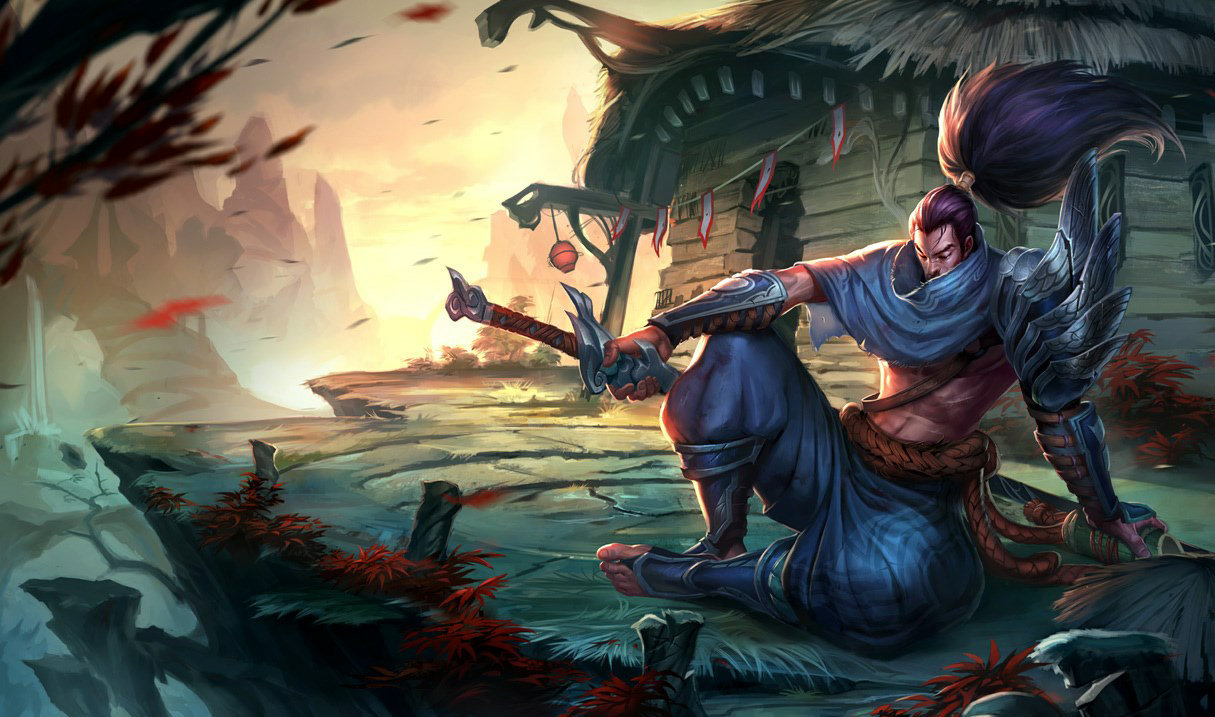
Patch 26.17 went live on August 26, 2026, and buried inside a wall of top lane and mid lane changes was a single, narrow adjustment to Passive: Every 3rd attack deals bonus true damage. Passive: Critical strikes deal 235% damage (if you have 60%+ crit chance). Yasuo Yasuo mid and
  Yone Yone mid — their critical strike damage penalty dropped from 10% to 5%, according to Riot’s official patch notes. That penalty exists specifically to stop both champions from getting full value out of crit items early, so cutting it in half made
  Kraken Slayer Kraken Slayer 3400 gold
  Infinity Edge Infinity Edge 3400 gold
Riot’s own stated intent was narrow, not sweeping: the goal was to make crit builds competitive with Blade of the Ruined King as a first item, so both champions had a real reason to scale into a proper carry pattern instead of relying on early-game snowballing to stay relevant. Nothing about the ability kits changed. No cooldowns moved. No base damage went up. It was a five-percentage-point tweak to one stat, applied to two champions who were already playable before the patch.
The Backlash: How a 5-Point Tweak Became “Controversial”
By the time the patch notes were public, gaming press had already framed the Yasuo and Yone change as one of the flashpoints of 26.17 — coverage tracking the patch described the round of changes as generating real community backlash, with the Yasuo buff singled out specifically alongside the nerfs landing the same week. Preview headlines paired “Yasuo buffs” with “Thresh nerfs” as if the two carried equal weight, treating a five-point stat tweak on a pick-or-ban champion as inherently more newsworthy than a nerf to a support who’d been climbing in relevance for a year.
None of that reaction came from post-patch win rate data, because there wasn’t any yet. It came from what the champion already represents to the player facing him: a snowballing duelist capable of a one-shot combo who becomes visibly scarier the moment his numbers go up, regardless of how small that number actually is. A 5-percentage-point reduction in a passive penalty doesn’t read as “5 percentage points” to the player about to lane into him — it reads as “Yasuo got buffed,” full stop, and the size of the headline outran the size of the change before a single ranked match confirmed anything.
Meanwhile: Thresh, Xerath and Nasus Had the Real Problems
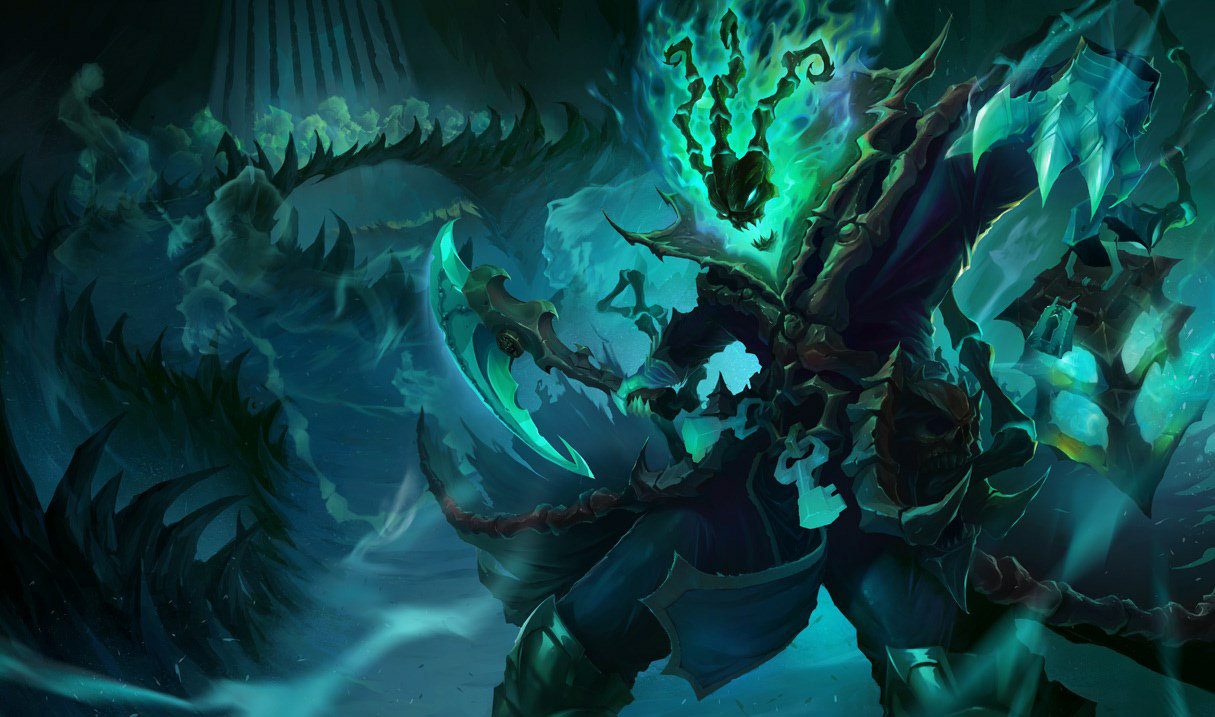
The same patch notes that introduced the Yasuo and Yone tweak also carried three nerfs Riot justified with language that describes a sustained, measured problem — not a knee-jerk reaction to one bad week of data.  Thresh Thresh support had his E lose damage and AP scaling, and Riot’s own framing was that he’d been “quietly sitting at a high win rate and picking up playrate over the year” — a full season of overperformance, not a single patch spike.
  Xerath Xerath mid lost power specifically because of an “extremely high ban rate” in certain regions, the kind of signal that means a huge share of the playerbase considered him too dangerous to leave open, not just strong.
  Nasus Nasus top got hit for the second consecutive patch, with Riot explicitly stating the prior nerf had “a larger impact than expected” and needed a follow-up correction.
Every one of those three nerfs describes a champion who had already been winning more than intended for an extended stretch, confirmed by the kind of aggregate signal — sustained win rate, ban rate, a nerf that overshot and needed a second pass — that takes real volume of games to establish. That’s a categorically bigger, better-evidenced problem than “we’re reducing a passive penalty by five points to make crit builds viable.” Yet none of the three generated anywhere near the volume of “this patch is a disaster” reaction that Yasuo and Yone’s buff did. If outrage tracked evidence, Thresh’s year-long overperformance should have been the story of the patch. It wasn’t.
If you want the deeper pattern of how a genuine nerf plays out versus a panicked reaction to one, the post-nerf panic breakdown covers the mirror image of this same bias — players dropping a champion the moment a nerf lands, before the data has had time to say whether it actually mattered.
S+ Tier by Patch 26.18 — Did the Fear Turn Out to Be Right?
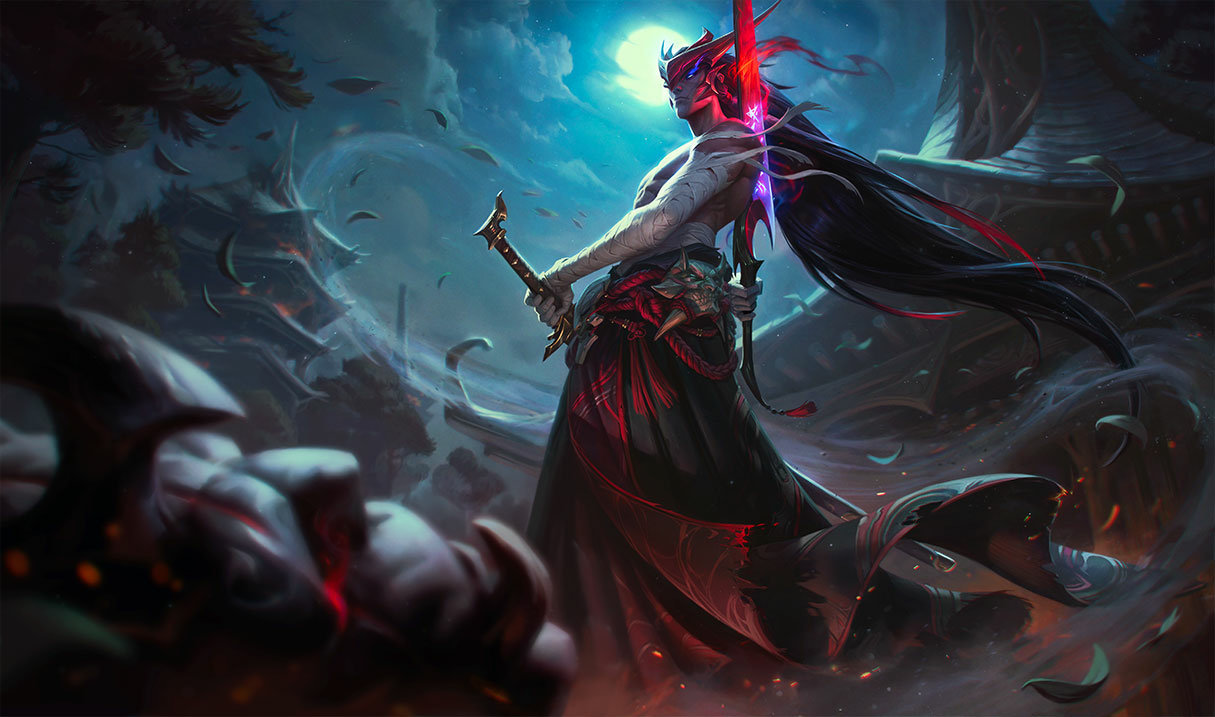
Give the fear its due: by patch 26.18, aggregator data puts Yasuo at S+ tier with roughly a 50.65% win rate and around a 4% pick rate in mid lane — a genuinely strong result, and proof the buff wasn’t nothing. If the community’s read was “this makes Yasuo scarier,” the data agrees.
But scarier isn’t the same as disproportionate. Patch 26.17 didn’t buff Yasuo and Yone in isolation — melee carries as a group, including Irelia and Qiyana, got adjustments the same patch specifically because they’d been forced into a snowball-or-lose pattern without a reliable scaling identity. Yasuo landing at S+ a patch later reflects that broader shift in how melee carries get built and played, not a single isolated stat line proving the crit-penalty change alone was undertuned. Crediting one five-point tweak with the entire tier jump skips past every other change that moved in the same direction that same patch — which is exactly the kind of shortcut that produces an outsized reaction in the first place.
The honest takeaway sits in between the two extremes: the buff mattered, but not because it was uniquely large — it mattered because it landed on a champion the playerbase was already primed to fear, at the same time several other related changes pointed the same direction. That combination reads as one big scary headline. It was actually several small, coordinated ones.
Why the Threat You Face Feels Bigger Than the Power You Lose
There’s a specific reason a buff to an enemy champion registers harder than a nerf to your own pool: one is a threat you can’t control, and the other is a loss you can plan around. When Thresh gets nerfed, the reaction is internal — “my Thresh games get slightly harder,” something a player can weigh privately and adapt to over time. When Yasuo gets buffed, the reaction is external — “the next Yasuo I face is more dangerous,” a threat that arrives on someone else’s schedule and forces an immediate, involuntary recalibration of every future matchup. Threat perception research on risk consistently shows that dangers imposed by another party get rated as more severe than statistically equivalent risks a person takes on voluntarily — and an enemy champion buff is exactly that: power somebody else now holds over you, on a timer you don’t control.
That asymmetry compounds with the champion himself. Yasuo Yasuo mid already carries the reputation of a champion capable of ending a game in one all-in sequence, so any buff to him gets processed through that existing fear rather than evaluated on its own five-point magnitude. A support losing playrate over a full year is an abstraction most players never directly experience. A buffed Yasuo flashing onto your carry is a concrete, personal, repeatable nightmare — and repeatable, personal fears generate louder reactions than season-long aggregate trends, regardless of which one the data says actually mattered more.
This is also where reacting to the headline instead of the match in front of you costs real games. A tool like buildzcrank reads your actual game state — what the enemy Yasuo has built, how far ahead he actually is, what your team’s item spikes look like — instead of a five-point patch note from three weeks ago, so a buff that’s mostly theoretical doesn’t dictate a build decision in a lane you’re already winning.
How to Read a Balance Patch Without the Panic
You don’t need to ignore patch notes to stop overreacting to them — you need a habit that separates the size of a change from how threatening it feels. This is the same discipline that aggregate win rate stats require in the opposite direction: a single number, read without context, can mislead just as easily as a scary headline can.
Before you panic over a balance patch
-
Check the raw number before the framing
A crit penalty going from 10% to 5% is a five-point stat change. Read that number first, before any headline tells you how to feel about it.
-
Ask who's affected, not just who's mentioned
A nerf described as fixing a full year of overperformance (like Thresh's) is a bigger structural signal than a buff aimed at a single itemization pattern, even if the buff gets more headlines.
-
Separate 'I'm afraid to face this' from 'this is now overpowered'
Fear of an enemy champion buff is real and useful for caution — it isn't the same thing as evidence the champion is broken. Wait for tier data before deciding which one it is.
-
Wait for aggregate data, not day-one anecdotes
A tier jump to S+ a patch later confirms a champion improved — it doesn't by itself prove which specific change caused it, especially when several related champions moved the same patch.
-
Let your actual game state decide the build, not the patch note
A live tool like buildzcrank reads the match you're actually in — enemy items, gold state, game phase — instead of a five-point stat change from weeks ago, so a theoretical threat doesn't override a real one.
FAQ
What did patch 26.17 actually change for Yasuo and Yone?
It cut their critical strike damage penalty from 10% to 5%, encouraging both to build crit items like Infinity Edge and Kraken Slayer as a first-item priority instead of Blade of the Ruined King.
Was the community backlash over the Yasuo buff justified?
Only partially. The change was real, but press and community reaction treated it as one of the patch's biggest events before any live-server data existed, while nerfs to Thresh, Xerath and Nasus — tied to a full year of overperformance and an extremely high ban rate — got comparatively less attention.
Is Yasuo actually strong after patch 26.17?
Yes — by patch 26.18, aggregator data puts him around S+ tier with a roughly 50.65% win rate. But he wasn't buffed alone that patch; several melee carries including Irelia and Qiyana received similar adjustments the same cycle.
Why did Thresh's nerf get less attention than Yasuo's buff?
Thresh's issue was a slow, season-long overperformance in win rate and pick rate — an abstract trend most players never personally experience. A buffed Yasuo is a concrete, repeatable threat players expect to face directly, which triggers a stronger emotional reaction regardless of the underlying data.
How should I react to a champion buff without overreacting?
Read the exact numeric change before the headline, wait for a real sample of post-patch win rate and pick rate data, and remember that fear of facing a buffed champion isn't the same as evidence that champion is now broken.
Patch 26.17 spent five percentage points on Yasuo and Yone and got treated like the headline event of the cycle, while Thresh’s full year of quiet overperformance, Xerath’s outsized ban rate, and Nasus’s second consecutive correction barely registered as news. None of that gap tracks the actual size of the changes — it tracks which champion the community was already afraid of. The data eventually caught up (Yasuo did land at S+), but it caught up for reasons bigger than one stat tweak, and it took a full patch cycle to confirm what the headline claimed on day one. Next time a balance patch drops, read the exact number before the framing, check the current Yasuo build guide for how the crit shift actually plays out in practice, and give the tier list a patch cycle to catch up before deciding a five-point tweak changed everything.