
Most League of Legends reworks follow the same arc: a huge launch-week spike in play and ban rate, a wave of “this is broken” headlines, and then a quiet fade back to irrelevance once the novelty wears off and the nerfs land. Naafiri’s rework didn’t do that. Seventeen patches after Riot rebuilt her kit in patch 25.6, she’s still one of the most banned champions in ranked — and patch 26.15 just nerfed her again.

The Typical Rework Hype Curve
Riot reworks a champion, and for about two weeks the internet agrees the game is broken. Ban rates spike into the double digits, streamers one-trick the new kit for views, and the balance team spends the next patch or two walking the numbers back down. Then attention moves on.
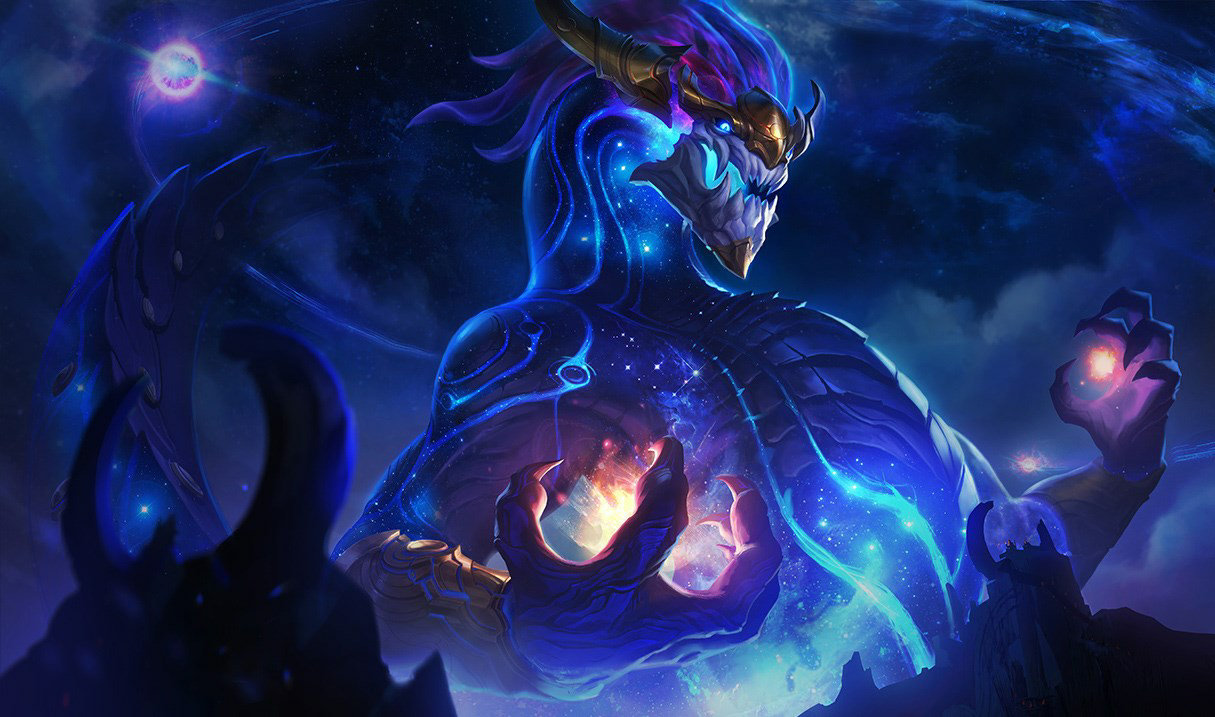
 AurelionSol AurelionSol mid is the textbook case. When his rework landed in patch 13.3, his ban rate rocketed to between 55% and 62% within days, according to U.GG data reported by Dot Esports, while his pick rate jumped from under 1% to 16% of solo queue games almost overnight. But his win rate was already dropping fast as the sample size caught up with the hype — a sign the numbers were driven by novelty and mispriced power, not a genuinely stronger champion identity. That’s the pattern most reworks follow: a spike that the balance team has to correct within a patch or two, followed by the champion settling back into the pack.
Naafiri’s rework didn’t do that. It did the opposite. It’s the kind of reversal worth putting next to the most broken champion in LoL history — most extreme power spikes get corrected fast; Naafiri’s case is a spike that arrived late and kept growing.
What Riot Actually Changed on Naafiri
 Naafiri Naafiri mid/jungle launched as a simple midlane assassin built around summoning a pack of hound Packmates, but she never found a stable audience — her kit was straightforward enough that it lacked the outplay potential and build diversity that keep an assassin relevant patch after patch.
Patch 25.6 (March 19, 2025), according to the official patch notes on leagueoflegends.com, wasn’t a numbers tweak — it rebuilt her identity:
- Ability swap: Her W (Hound’s Pursuit — the dash) and R (Call of the Pack) traded places, changing her combo order and skill-up priority entirely.
- Untargetability window: Casting Call of the Pack now makes Naafiri untargetable during the cast, turning her ultimate into a genuine outplay and defensive tool instead of a pure damage button.
- Bigger pack, bigger stakes: Her We Are More passive now caps at 5 Packmates instead of fewer, with more damage across the board — at the cost of some personal survivability, raising the skill ceiling for managing the pack correctly.
- New lane, same kit: The changes opened her up as a viable jungle pick alongside mid lane, doubling the contexts in which the redesigned kit gets tested and iterated on by the playerbase.
That’s a fundamentally different bet than most reworks make. Riot didn’t just push her numbers up — they gave her more decision points per fight and a second role to be played in.
17 Patches of Staying Power
Here’s the part that actually separates Naafiri from the Aurelion Sol pattern: her relevance didn’t peak in the first two weeks. It built gradually, over more than a year of patches, as the community kept finding new ways to break her kit.

The turning point came in patch 26.9, when Passive: After casting, your next attack deals bonus damage and slows. Voltaic Cyclosword Voltaic Cyclosword 3000 gold
Riot finally addressed it directly in patch 26.15, cutting Call of the Pack’s base damage from 150–300 down to 125–275, and the damage per Packmate from 15–30 down to 12.5–27.5, according to the official 26.15 patch notes. Even after that nerf, coverage of the patch noted she was still generating meaningful pick and ban pressure despite dropping under a 50% win rate — a champion the balance team is still actively tuning, not one that quietly disappeared from the meta.
Why This Pattern Is Different
A spike-and-fade rework is driven by novelty: a new kit is unfamiliar, opponents don’t know the matchup yet, and the numbers are usually a little too generous on release. Once the playerbase adapts and the balance team corrects the outlier stats, the champion settles back to a normal pick rate within a handful of patches. Aurelion Sol’s 55-62% launch ban rate cratering alongside his win rate is exactly that pattern playing out in real time.
Naafiri’s timeline doesn’t fit that shape. It took the community until patch 26.9 — more than a dozen patches after the rework shipped — to find the Passive: After casting, your next attack deals bonus damage and slows. Voltaic Cyclosword Voltaic Cyclosword 3000 gold
That gap between when a champion’s optimal build changes and when the wider playerbase catches on is exactly where tools like buildzcrank earn their keep — a real-time build recommender adjusts to interactions like the Cyclosword spike the moment the data shifts, instead of waiting for a wiki page or a guide to get rewritten weeks later.
What It Means for How You Read Patch Notes
The practical lesson isn’t about Naafiri specifically — it’s about how to read a nerf. When patch notes cut a champion’s base numbers by 15-20% across the board, that’s usually a sign of a genuinely overtuned kit heading toward irrelevance. But when the nerf targets one specific interaction — like Naafiri’s ultimate damage after the Packmate scaling got out of hand — the rest of the kit’s identity is still intact, and the champion is worth watching rather than dropping outright.
That distinction matters more than it used to, because why static build guides fail is precisely this: a guide written the week a champion gets nerfed can’t tell you whether the nerf gutted the pick or just trimmed one overtuned line of it. Naafiri’s own history — a rework that briefly looked dead on arrival in solo queue before becoming a ban-rate fixture over a year later — is the clearest argument for checking current data before writing a champion off.
If you’re deciding whether to keep Naafiri in your pool after the 26.15 changes, or you’re facing her and need an up-to-date read on her current power level, that’s exactly the kind of in-game, patch-aware decision buildzcrank is built to support instead of a guide that was accurate for a different patch.
Frequently Asked Questions About Naafiri’s Rework
When was Naafiri reworked in League of Legends?
Naafiri received a full midscope rework in patch 25.6, released March 19, 2025. Riot swapped her W and R abilities, added an untargetability window to her ultimate cast, raised her passive's Packmate cap, and opened her up as a jungle pick alongside mid lane.
Is Naafiri still good after the patch 26.15 nerfs?
Yes, though weaker than her patch 26.9-26.10 peak. The 26.15 changes cut Call of the Pack's base and Packmate damage, and coverage of the patch noted her win rate dropped below 50%. She still generates enough pick and ban pressure to stay relevant rather than falling out of the meta entirely.
Why was Naafiri banned so much in patch 26.10?
An item interaction involving Voltaic Cyclosword's damage scaling, which surfaced around patch 26.9, pushed her Packmate damage output well past intended levels. By patch 26.10 she was sitting at a near-30% ban rate in ranked, including at higher elo brackets, according to contemporary patch coverage.
Can you play Naafiri jungle in 2026?
Yes. The patch 25.6 rework specifically opened jungle as a second viable role for Naafiri alongside mid lane, giving the reworked kit a second context to be tested and iterated on by the playerbase.
Do most League of Legends reworks stay strong this long?
No. Most reworks follow a hype curve — a large ban and pick rate spike in the first one to two weeks, driven by novelty and initially generous numbers, followed by a balance correction and a return to a normal pick rate. Aurelion Sol's patch 13.3 rework, which spiked to a 55-62% ban rate before his win rate dropped fast, is a well-documented example of that pattern.