
Top lane is the most isolated role in League of Legends — a long, punishing lane where you live or die by your own decisions. Whether you’re a new player trying to survive laning phase or an experienced top laner looking to sharpen your macro play, this League of Legends top lane guide covers everything you need to climb in 2026.
In this guide you’ll learn: the three wave management states every top laner must master, how to trade effectively, when to split push versus group, and which champions are dominating the meta in patch 26.8.
What Is Top Lane in League of Legends?
Top lane sits at the top side of the map, running parallel to the Baron pit. It’s the longest lane in the game and the one furthest from Dragon — which means your jungler visits infrequently, dragon fights happen without you, and most of your lane phase comes down to your own decisions.
The role demands self-sufficiency above almost everything else. You’ll face 1v1 matchups for extended periods, often without vision of the enemy jungler. The reward for winning that isolation is enormous: a fed top laner can split push, teleport to win teamfights, or simply front-line for your team. A lost top lane, on the other hand, becomes a free farm machine for the enemy all game.
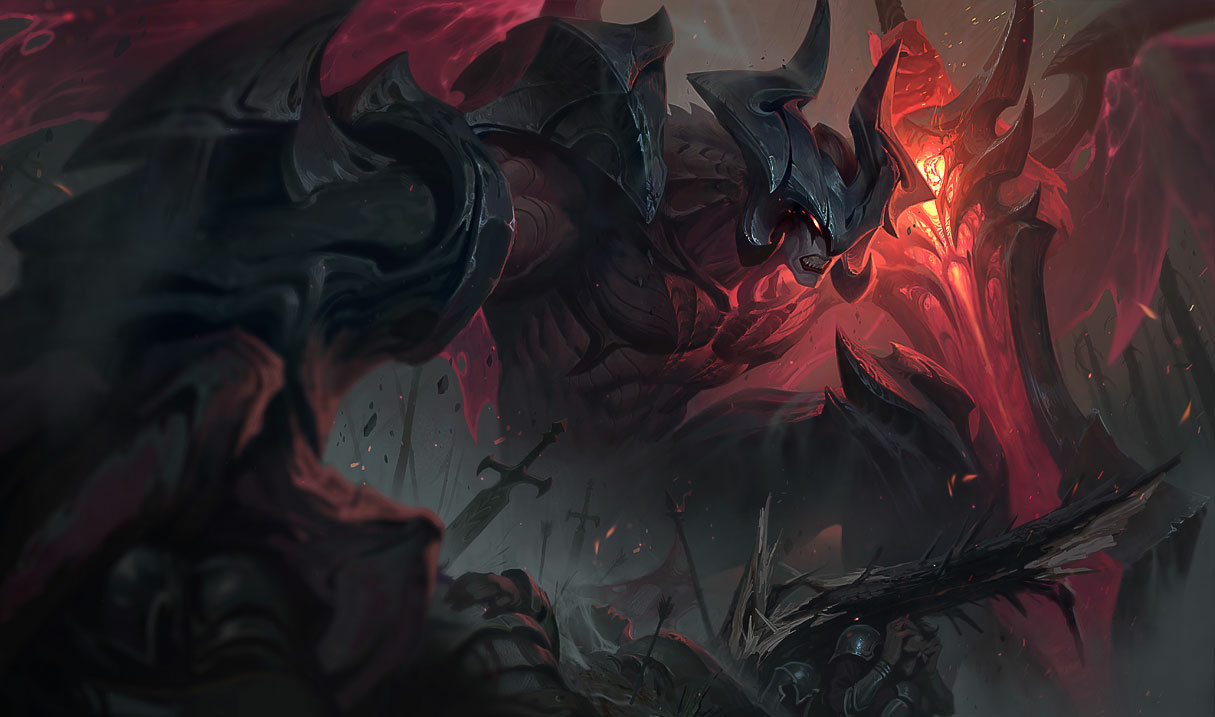
Champion archetypes in top lane include juggernauts (Garen, Darius — high damage, no mobility, dominant in extended fights), bruisers (Aatrox, Mordekaiser — damage and sustain), tanks (Malphite, Ornn — team-fight enablers), split pushers (Camille, Jax — dueling specialists), and AP tops (Gangplank, Quinn — ranged threats that punish melee). Knowing what your champion wants to do in each phase of the game is the foundation of playing the role well.
Top Lane Wave Management — The Three Core Concepts
Wave management separates players who win lane from players who only trade. You can win every fight in a lane and still end up behind because you shoved every wave into the enemy turret for free. The three wave states — freeze, slow push, and fast push — are the building blocks of controlling the lane on your terms.
The three wave states
-
Freeze
Keep the wave just outside your turret range. Last-hit only while letting enemy minions chip away at yours. Use it when you've won a trade and the enemy needs to walk up to farm.
-
Slow push
Kill casters, leave melee minions alive. Build a massive wave that crashes into the enemy turret. Time it with Rift Herald (14 min) or Baron (20 min).
-
Fast push
Burn abilities to crash the wave quickly. Use it after killing the enemy laner or forcing a recall — you have 15–20 seconds to roam, invade, or take objectives.
Freeze when: you’ve won a trade, the enemy needs to walk up to farm, and you’re healthy enough to threaten punishment. Champions like Darius and Malphite love the freeze — enemies must choose between losing CS or walking into your range for a free trade.
Time your slow push to coincide with Rift Herald spawning at 14 minutes or Baron at 20 minutes. When your giant wave crashes, the enemy top laner has two bad choices: stay and clear it (missing the objective fight), or abandon it and hemorrhage plates and turret health.
Trading and Laning Patterns in Top Lane
Knowing when and how to fight is as important as wave management. Two concepts define your trading approach: short trades and extended trades.
Short trades favor champions with high burst on low cooldowns — Garen with Q into E, Darius with Q to apply bleed and back off. You deal your damage, back out before the enemy can respond, and wait for your cooldowns to come back.
Extended trades favor champions who deal sustained damage and have built-in healing — Aatrox with his Q-auto chains and W heal, Mordekaiser with his Q auto-reset and W sustain. The longer the fight goes, the more your regeneration tips the scales.
Level power spikes in lane
-
Level 1
Your first ability defines the start: Darius starts Q for poke/trade; Aatrox starts Q for the knock-up threat.
-
Level 2
Two-ability all-in power. Many bruisers look for a level 2 all-in if the enemy is level 1 when you reach it.
-
Level 3
Full basic kit online. First real all-in window for most champions.
-
Level 6
Ultimate available. Darius R execute or Mordekaiser R isolation completely changes many matchups.
Call for your jungler when the enemy has an unreachable lead and camping the wave isn’t enough, or when a tower dive is available and you need the extra body. Don’t call for a gank if you’re losing lane and shoved under your turret — give your jungler vision control and a favorable angle, not a forced dive into enemy hands.
Top Lane Macro — Split Push vs Grouping
After laning phase ends, you face the most common macro decision in the role: do I push a side lane, or do I group with my team? Getting this wrong is the single most frequent macro mistake top laners make at every rank.
When to Split Push

Split push when you have a meaningful advantage in the side lane and your champion can duel enemies sent to stop you:
- You’ve taken the enemy’s Tier 1 or Tier 2 turret in top lane and have map pressure.
- Your champion is a strong 1v1 duelist (Camille, Jax, Fiora, Aatrox).
- The enemy does not have Teleport available to collapse on you in the side lane.
- No Baron or Elder Drake is spawning in the next 60 seconds.
The split push forces the enemy to send someone to stop you — usually two players. That 4v3 advantage on your team near an objective is your real win condition.
When to Group
Group when your champion’s value is in teamfights, not 1v1s:
- You play a front-line tank (Malphite, Ornn) whose AoE ultimate or peel changes teamfights.
- Baron Nashor or Elder Dragon is spawning in the next 90 seconds.
- Your team is losing fights 4v5 and needs your presence to stabilize.
- You’re behind and lack the 1v1 strength to threaten a split.
Using Teleport as a Split Push Enabler
Teleport is the default spell for most top laners because it solves the main downside of splitting: being absent from fights. Set up a ward deep in the enemy side lane, push with TP available, and teleport to Baron or Dragon when your team needs you.
Best Top Lane Champions for Patch 26.8
Patch 26.8 heavily rewards juggernauts and bruisers — champions with high damage, strong durability, and clear win conditions in lane. For a full breakdown of every role, check the complete LoL tier list for patch 26.8.
S Tier — The Dominant Top Laners Right Now
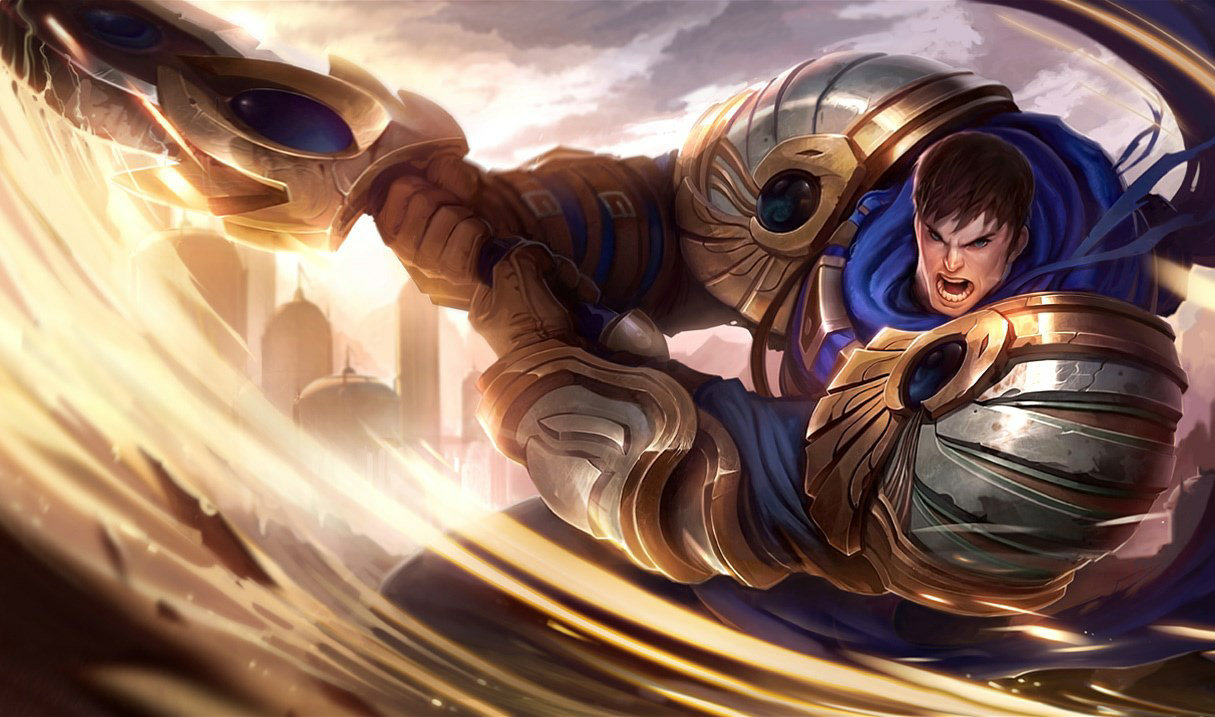
Garen is the best top lane champion in patch 26.8 with a 54.8% win rate and a 13% play rate — the highest in the role. His kit is straightforward: Q silences and speeds him up, E stacks Judgment on the enemy, and R executes with true damage scaling off the enemy’s max HP. Eclipse into Sundered Sky is the standard build.
Aatrox sits at 53.9% win rate and is the highest-skill S-tier option. Eclipse into Sundered Sky synergizes perfectly with his burst windows. See the full build in the Aatrox top build guide for patch 26.8.
Malphite rounds out S tier as the most accessible pick. Iceborn Gauntlet into Sunfire Aegis gives him an oppressive slow aura in teamfights. Play Malphite if your team lacks engage.
A Tier — Strong and Consistent Picks
Darius is the quintessential lane bully. He punishes any champion that gives him a prolonged melee exchange. His main weakness: ranged champions (Quinn, Vayne, Teemo).
Mordekaiser thrives in the current bruiser meta with his strong 1v1 pattern and R (Realm of Death) isolation.
Camille is the highest-skill A-tier option — mechanically demanding but extremely rewarding.
Gangplank survived patch 26.8 virtually untouched. Trinity Force is the core item; the build scales into a late-game carry.
How to Pick the Right Top Lane Champion
Not every S-tier champion is right for every player. Choosing the wrong archetype for your playstyle will cost you more games than a suboptimal tier ranking.
If you’re new to top lane: Start with Garen or Malphite. Both have simple, forgiving kits, high win rates, and a clear identity.
If you want high skill expression: Aatrox and Camille reward deep game knowledge.
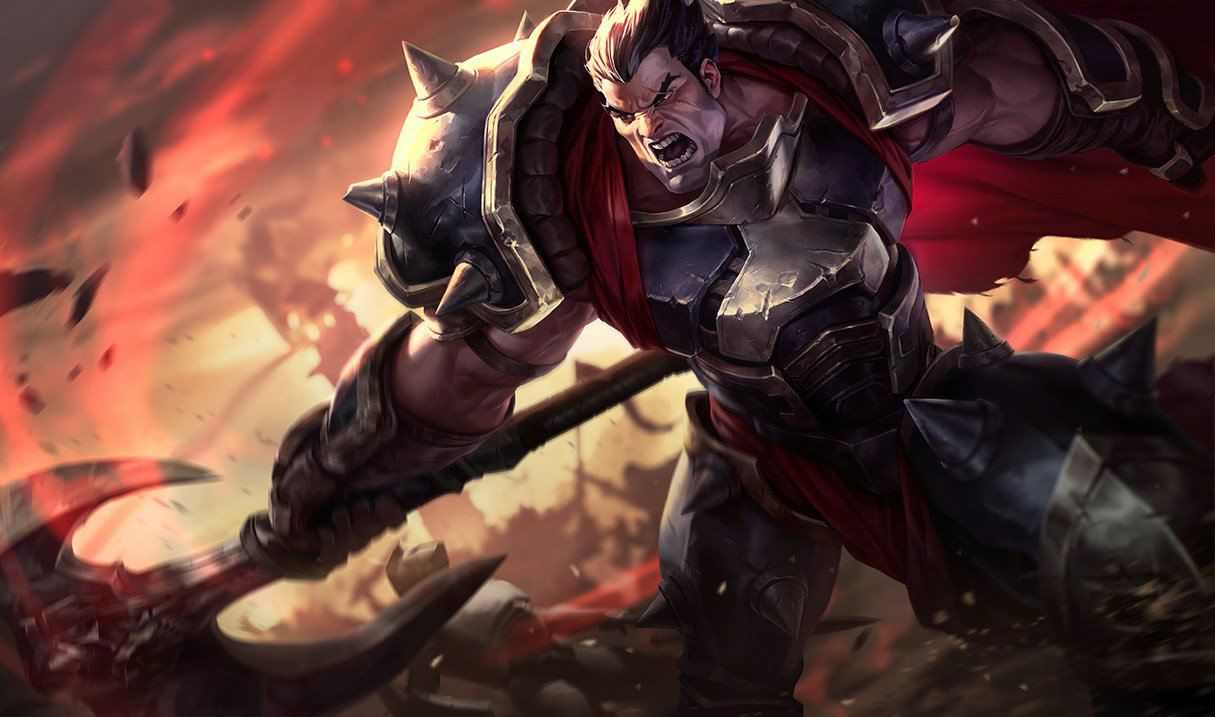
If you want to bully the lane: Darius and Mordekaiser are designed for it.
If your team needs a frontline: Malphite or Ornn.
Counterpicking logic: Pick champions with range into Darius, tanks into Camille, and gap-closers into Gangplank.
For item optimization mid-game — especially when enemy itemization changes after the first recall — tools like buildzcrank use real-time game state data to recommend item adjustments. For S-tier picks in every role, see the best top lane champions for patch 26.8.
Frequently Asked Questions About Top Lane in LoL 2026
What is the easiest top lane champion for beginners in patch 26.8?
Garen is the easiest option by a large margin. He has no skillshots, a silence to stop enemies from dashing away, a strong self-heal passive, and an execute ultimate. His 54.8% win rate in patch 26.8 proves that simplicity doesn't mean weakness.
When should I split push instead of grouping with my team?
Split push when you have a lead in your lane, your champion wins 1v1 duels, and no major objective (Baron, Elder Dragon) is spawning in the next 90 seconds. If the enemy sends one person to stop you, you win the duel. If they send two, your team has a 4v3 advantage at the objective.
How do I play top lane when I'm losing my lane matchup?
Focus on farming safely under turret rather than forcing trades you'll lose. Use freeze logic to deny the enemy CS if they overextend. Ward the river. Play for scaling — many top laners who lose lane can still be useful at 2-3 items.
Which summoner spells should I take in top lane?
Teleport + Flash is standard for most top laners. Take Ignite instead of Teleport if your champion wins lane easily and you want kill pressure — but be aware you lose the split push insurance TP provides.
Top lane rewards players who understand macro as much as individual mechanics. Master your wave states, know your champion’s trading windows, and make the right split/group decision. Check out the Aatrox top lane build for patch 26.8 if you want a deep dive into the best S-tier carry option in the role right now.